


You take a sip of ice-cold water, and suddenly you feel a sharp jolt through your tooth. Or maybe you bite into something sweet and get that familiar zing. Tooth sensitivity affects millions of people, turning simple pleasures like enjoying a cold treat or breathing in winter air into uncomfortable experiences.
Tooth sensitivity often happens when the protective layers of your teeth become compromised, exposing the sensitive inner layer called dentin to temperature changes, sweet foods, or pressure. Understanding what causes this sensitivity can help you find relief and prevent it from getting worse. Regular dental exams can help identify the source of your discomfort.
What Is Tooth Sensitivity?
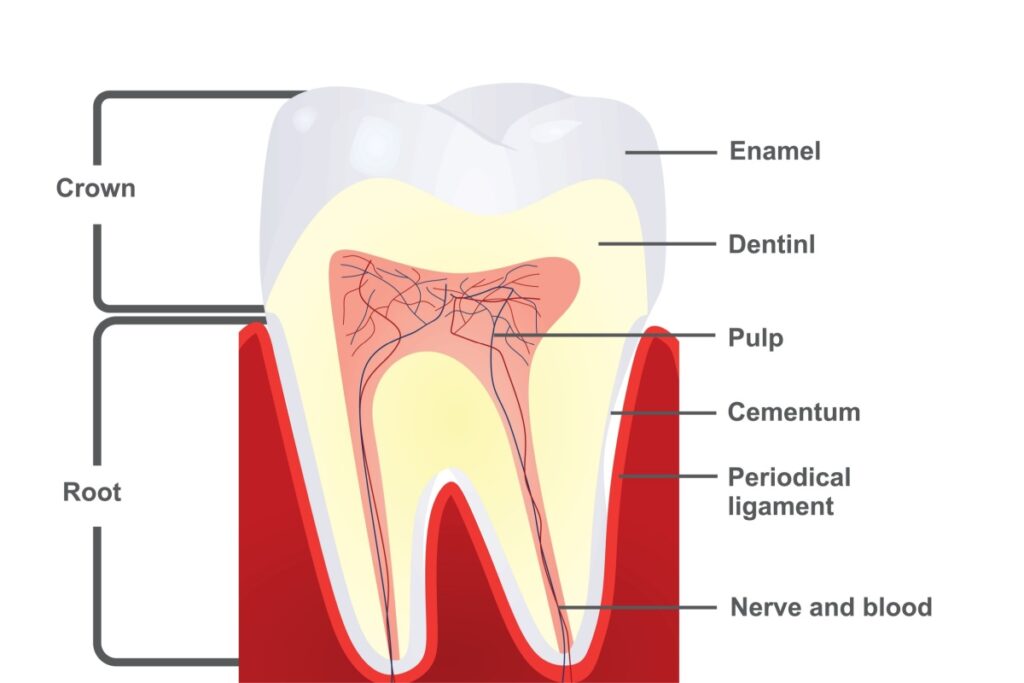
Your teeth have multiple protective layers. The hard, white enamel covers the crown of your tooth, while your gums protect the roots. Underneath lies the dentin, a softer layer filled with tiny tubes that connect directly to the nerve inside your tooth. So when these protective layers change or wear down, it’s easy to see how discomfort can develop.
When enamel wears away or gums pull back, these microscopic tubes become exposed. Hot, cold, sweet, or acidic substances can then travel through these pathways straight to the nerve, causing that sharp pain you feel. The discomfort can range from a mild twinge to intense, shooting pain that makes you wince.
Common Causes of Tooth Sensitivity
Enamel Erosion
Your enamel can wear away from drinking acidic beverages like soda, wine, or citrus juices. Brushing too aggressively with a hard-bristled toothbrush also scrapes away this protective coating over time. Teeth grinding, especially during sleep, creates constant pressure that gradually wears down enamel. Tooth enamel loss becomes permanent once completely gone.
As your enamel thins, the underlying dentin becomes exposed. You might notice sensitivity starting as a mild discomfort that gradually becomes more noticeable with temperature changes.
Gum Recession
When your gums pull away from your teeth, they expose the tooth roots underneath. Unlike the crown of your tooth, roots have no enamel protection. Common causes include teeth clenching, gum disease and aggressive brushing.
You can often see gum recession as a thin yellow or darker line near your gum line. These exposed areas feel sensitive because the dentin lies just beneath a thin layer called cementum. Consistent professional cleanings support gum health, reducing the chances of recession, one of the most common reasons dentin becomes exposed.
Tooth Decay or Cavities
Cavities start small but gradually eat through your enamel toward the dentin and pulp inside. Early sensitivity to sweets or temperature changes can signal that decay has reached the dentin layer. The bacteria that cause cavities produce acids that create holes in your teeth.
If you notice sensitivity in one specific tooth, especially when eating sugary foods, you might have a cavity that needs attention from a dentist. Regular exams also help catch cavities in their earliest stages when they’re easiest to treat and less likely to cause sensitivity.
Additional Causes of Sensitivity
Cracked or Chipped Teeth
A crack or chip creates a direct pathway for hot, cold, or sweet substances to reach the sensitive inner layers of your tooth. You might feel sharp pain when biting down or when the crack opens slightly during chewing.
Even tiny cracks that you can’t see can cause sensitivity. Temperature changes make your tooth expand and contract, which can cause pain along the crack line. These issues require prompt attention to prevent further complications.
Recent Dental Procedures
Teeth cleaning, fillings, crowns, or whitening treatments can temporarily make your teeth more sensitive. During professional cleaning, for example, removing plaque and tartar might expose areas that were previously covered. Professional whitening can temporarily open the pores in your enamel.
This type of sensitivity usually fades within a few days to a week. If it persists longer or gets worse, contact your dental office.
Treatment Options for Sensitive Teeth
At-Home Solutions
Desensitizing toothpaste contains ingredients like potassium nitrate or stannous fluoride that block pain signals from reaching the nerve. You need to use it consistently for several weeks to notice improvement. Fluoride rinses can also help strengthen weakened enamel. Proper brushing and flossing techniques prevent sensitivity from getting worse.
Professional Treatments
Your dentist can apply concentrated fluoride treatments that penetrate deeper than over-the-counter products. For exposed roots, they might recommend bonding or sealants to cover the sensitive areas. Advanced cases might need gum grafting to restore protection to exposed roots.
When sensitivity stems from underlying problems, treatment focuses on the root cause. This might include fillings for cavities, root canals for severely damaged nerves, custom nightguards for grinding, or periodontal therapy for gum disease.
When to See a Dentist
Schedule an appointment if your sensitivity lasts more than a few days or keeps getting worse. Pain that wakes you up at night, swelling around sensitive teeth, or visible chips or cracks need prompt attention. Sudden sensitivity after biting something hard might indicate a fracture that requires immediate care.
Don’t ignore persistent sensitivity. Early treatment prevents minor issues from becoming major problems that require more extensive care. Common dental warning signs help you know when to seek professional help.Tooth sensitivity doesn’t have to control what you eat or drink.
Our team at Marks Dentistry can identify what’s causing your discomfort and create a treatment plan that brings you relief. Contact us today to schedule your consultation and take the first step toward comfortable, pain-free teeth.