

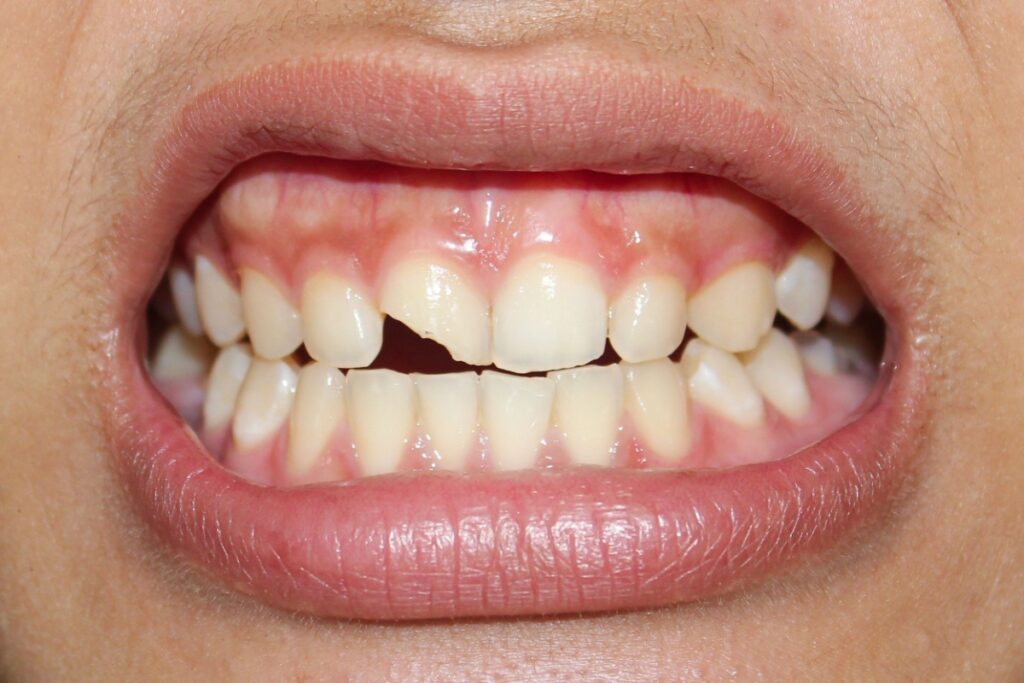
When you notice a chip in your tooth, it’s natural to hope it might just fix itself over time. Our bodies are amazing at healing scraped knees and mending broken bones. While teeth and bones share some similarities, it’s easy to wonder if a tooth can do the same, even though its structure is very different from a bone.
However, your tooth’s structure can’t regenerate lost pieces. Unfortunately, a chipped tooth cannot heal itself, which is why professional dental care is needed to restore your smile. Leaving a chip untreated can open the door to other dental concerns.
Why Your Tooth Can’t Heal on Its Own
Your teeth are incredibly strong, but they can’t regrow like skin or bone. Once part of a tooth’s structure is gone, it’s gone for good.
A chip might seem minor, but it can expose the sensitive inner layers of the tooth, leaving it vulnerable to further damage, decay, or discomfort. While your body can repair early enamel wear through a process called remineralization, this only works on surface-level demineralization — not on chips or cracks.
To understand why, it helps to know the three layers of a tooth:
- Enamel: The hard, outer layer that protects your tooth from daily wear and tear.
- Dentin: The softer layer beneath the enamel that supports it and carries some sensitivity.
- Pulp: The innermost layer, where nerves and blood vessels live — and where pain can start if a chip goes too deep.
Once enamel is chipped, only a dentist can restore the tooth’s shape, protect the inner layers, and prevent future issues.
Common Causes & Reasons for a Chipped Tooth
A chip can happen suddenly or build up over time, and it’s not always caused by something dramatic. Here are some of the most common reasons we see chipped teeth in patients of all ages:
- Biting something hard like ice, popcorn kernels, or hard candy
- Injuries from sports, falls, or other accidents that impact the mouth
- Clenching or grinding your teeth, which puts repeated pressure on them
- Tooth decay that weakens the enamel and makes it more prone to chipping
Knowing the causes can help you take simple steps to protect your family’s oral health — and prevent chips before they happen.
The Risks of an Untreated Chipped Tooth
It’s tempting to ignore a small chip, especially if it doesn’t hurt. But even a minor chip can create problems down the road. The rough edge may irritate your tongue or cheek, and the tooth becomes more vulnerable to food entrapment, leading to future damage or decay.
Signs Your Chipped Tooth Needs Attention:
- Sensitivity to hot, cold, or sweet foods and drinks.
- A sharp or rough edge that bothers your tongue or cheek.
- Discomfort when you chew or bite down.
- Pain in your tooth or jaw.
What to Do Right After You Chip a Tooth
Taking a few simple steps right after you chip a tooth can help until you see a professional. Your priority is to stay comfortable and protect your mouth from any sharp edges. Follow these steps to manage the situation safely.
- Rinse your mouth gently with warm salt water.
- If you find the broken piece, save it in a small container with milk or your own saliva.
- If the edge is sharp and bothersome, you can cover the sharp edge of the tooth with sugar-free gum or dental wax.
- Contact your family’s dentist to schedule a visit.
How We Fix Chipped Teeth at Marks Dentistry
A dental professional can look at the chip and recommend a treatment to restore your tooth’s function and appearance. The right option depends on the size and location of the chip. Your dentist can help you find a solution that fits your needs.
Dental Bonding
For small, simple chips, a tooth-coloured resin is applied to the tooth and shaped to fill in the damaged area. It’s a straightforward way to repair the tooth’s surface. This treatment is often completed in a single visit.
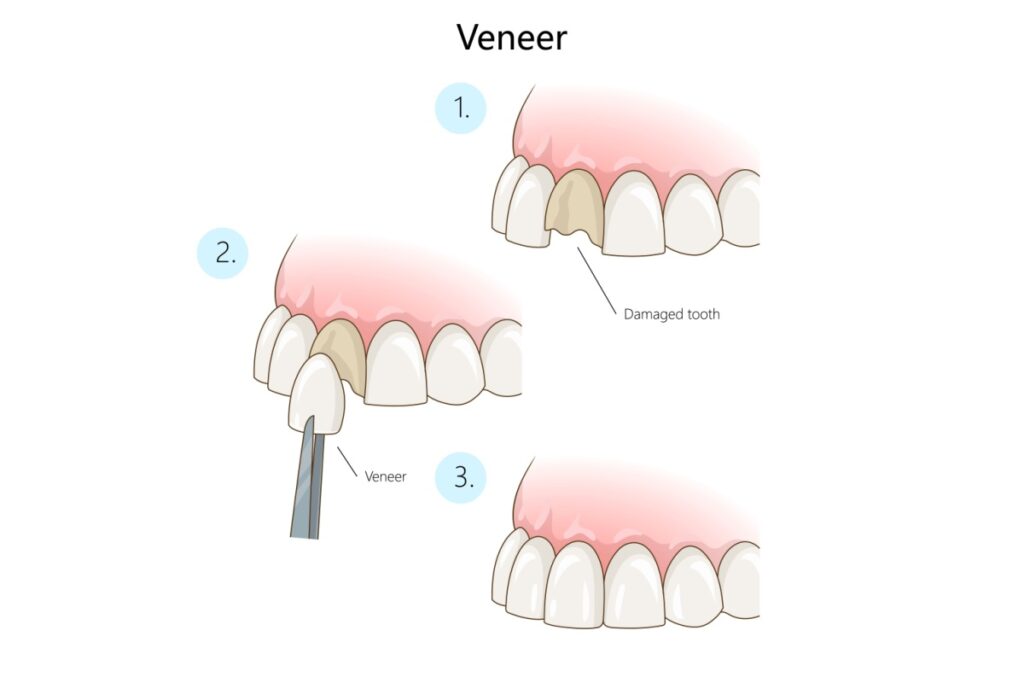
Porcelain Veneers
If the chip is on a front tooth or you’re looking for a cosmetic improvement, our options for veneers may be a good choice. These are very thin, custom-made shells that cover the entire front of the tooth. They can help create a uniform and natural-looking smile.
Dental Crowns
For larger chips or a tooth that has lost a lot of its structure, a dental crown is often used. This is a cap that fits over the entire tooth. It gives the tooth strength and a natural look.
Keep Your Smile Healthy & Strong
A chipped tooth doesn’t have to be a big deal — especially when you catch it early. With the right care, you can restore the tooth’s strength and prevent future problems.
At Marks Dentistry in Etobicoke, our experienced team is here to help you find the best treatment option, whether it’s bonding, a veneer, or a crown. We’ll assess the damage and recommend a comfortable, long-lasting solution that fits your needs.
Have a chipped tooth? Don’t wait, book your visit today and take the first step toward protecting your oral health.